Custom Elevator: Design Options and Cost Guide
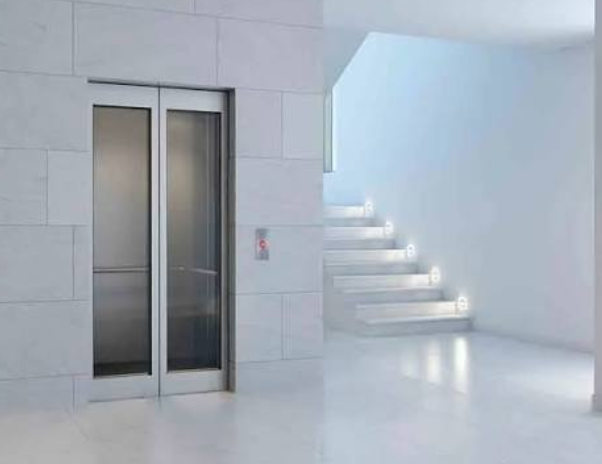
A custom elevator lets you match your building’s style, floor plan, and function exactly the way you want, instead of settling for a generic, off-the-shelf design.
Whether you are planning a luxury home or a commercial building, this guide walks through the design choices, drive types, finishes, and realistic cost ranges you need to plan your custom elevator project.
Table of Contents
- What Makes an Elevator Custom?
- Drive Types to Choose From
- Cab Design and Finish Options
- Custom Features Worth Considering
- Custom Elevator Cost Guide
- Residential vs Commercial Custom Elevators
- Factors That Affect Final Cost
- Tips for Planning Your Project
What Makes an Elevator Custom?
A custom elevator is built or configured to match specific needs, rather than using a standard, pre-set design. This could mean a unique cab size, special finishes, a particular drive system, or added technology features.
Custom elevators are common in luxury homes, hotels, and commercial buildings where the elevator needs to match the architecture or serve a specific function beyond basic transportation.
Drive Types to Choose From
| Drive Type | Best For | Notes |
| Hydraulic | Low to mid-rise buildings | Smooth ride, requires machine room |
| Pneumatic vacuum | Homes with limited space | No pit or machine room needed |
| Gearless traction | Taller buildings, energy efficiency | Quiet, durable, higher upfront cost |
| Chain-driven | Heavy-duty commercial use | Very durable but louder operation |
Pneumatic elevators are especially popular for retrofit projects since they need minimal structural changes, while gearless traction systems are often chosen for taller buildings needing energy efficiency and a smooth ride.
Cab Design and Finish Options
- Wall panels: choose from wood veneer, glass, mirror, or stainless steel finishes.
- Flooring: options range from laminate to natural stone or custom tile.
- Lighting: adjustable fixtures in silver, black, or mirrored brass finishes.
- Handrails: available in brushed stainless, antique bronze, or various wood finishes.
- Doors: sliding, automatic, or scissor-style gates depending on building type and code requirements.
Custom Features Worth Considering
- Smart controls for app-based operation and scheduling.
- Emergency phone lines for added safety and peace of mind.
- Panoramic glass walls for a scenic, open feel.
- High-speed motors for taller buildings needing faster travel time.
- Custom lighting and sound systems for a luxury experience.
Custom Elevator Cost Guide
| Elevator Type | Typical Cost Range |
| Basic residential elevator | $25,000 – $50,000 |
| Custom residential elevator (premium finishes) | $50,000 – $100,000+ |
| Mid-rise commercial elevator (4-10 stories) | $75,000 – $200,000 |
| High-rise commercial elevator (10+ stories) | $150,000 – $500,000+ |
New construction projects are generally cheaper than retrofits, since the elevator shaft can be designed into the building from the start rather than added into existing structure.
Residential vs Commercial Custom Elevators
Residential custom elevators focus on personal style, comfort, and fitting into a home’s existing layout. Commercial custom elevators focus more on capacity, speed, code compliance, and handling heavier daily traffic.
- Residential: smaller cabs, lower weight capacity, personalized finishes.
- Commercial: larger cabs, higher weight capacity, more frequent use, stricter code requirements.
Factors That Affect Final Cost
- Number of floors served, since each additional stop adds complexity and cost.
- New construction versus retrofit, with retrofits often costing more due to structural changes.
- Cab finish choices, since premium materials like glass and wood veneer raise the price.
- Drive system selection, since gearless traction and chain-driven systems cost more than basic hydraulic models.
- Added technology features, such as smart controls or emergency communication systems.
Tips for Planning Your Project
- Get quotes from multiple elevator companies before committing to a design.
- Plan for maintenance costs in your long-term budget, not just installation.
- Choose a drive type based on your building’s structure, not just style preference.
- Confirm local building codes early, since some custom features require permits or inspections.
- Work with a company experienced in custom elevator projects, not just standard installs.
See also: Shooter Registry Activity Covering 905shooter and Monitoring Notes
Frequently Asked Questions
How much does a custom elevator cost?
Residential custom elevators typically range from $25,000 to over $100,000, while commercial custom elevators can range from $75,000 to over $500,000 depending on building height and features.
What is the cheapest type of custom elevator drive?
Pneumatic vacuum elevators are often the most affordable option for homes, since they require no pit or machine room, reducing installation costs.
Is a custom elevator more expensive than a standard model?
Yes, custom finishes, added technology, and specialized drive systems typically add cost compared to a standard, off-the-shelf elevator model.
Can I add smart controls to a custom elevator?
Yes, many custom elevator packages now include smart control options, allowing app-based operation and scheduling features.
Is it cheaper to install a custom elevator in new construction or a retrofit?
New construction is generally cheaper, since the elevator shaft can be planned into the building design from the start, avoiding the extra structural work needed in a retrofit.
Conclusion
A custom elevator gives you the freedom to match your building’s style, function, and technology needs exactly. From drive type to cab finishes, every choice affects both the look and the final cost of your project.
Take time to plan your design around your building’s structure and long-term needs, not just upfront price. A well-planned custom elevator adds lasting value, convenience, and style to any home or commercial space.