How Wet Tree Debris Speeds Up Surface Deterioration on Sloped Roofs
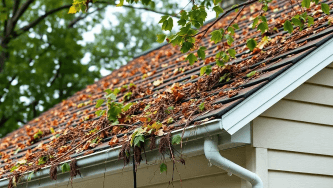
If you live in a place with plenty of beautiful, towering trees, you know the struggle of keeping your gutters clear. It feels like a never-ending chore. However, many homeowners forget that the stuff landing in the gutters had to slide down the roof first. If you are looking for a reliable roof repair park city contractor, you likely already know how the local climate can turn a simple pile of leaves into a serious problem. Leaving that organic mess up there is more than just an eyesore because it actually triggers a slow-motion destruction of your roofing materials.
The Sponge Effect of Organic Debris
When leaves, pine needles, and small twigs land on a sloped roof, they do not always slide off. They tend to bunch up in the valleys or snag on the rough texture of asphalt shingles. Once it rains or the snow starts to melt, this pile of debris acts exactly like a giant, heavy sponge. It traps water against the surface of the roof and holds it there for days or even weeks.
On a clean roof, water runs off quickly. Gravity is your best friend. But when debris is present, that water has nowhere to go. It sits against the shingles and begins to soften the protective granules. Over time, this constant moisture weakens the bond between the asphalt and the stone coating. Once those granules start to wash away, your roof loses its primary defense against the sun and the rain.
The Science of Rot and Mold
Wet debris is not just water. It is a mixture of cellulose, dirt, and bird droppings. When you add moisture and heat from the sun, you create the perfect laboratory for mold, algae, and moss. You might notice dark streaks or green fuzzy patches forming around these debris piles. This is not just a surface stain.
Moss, in particular, is a roof killer. It grows roots that dig into the shingles and lift them up. This creates gaps where even more water can seep in. As the organic matter decomposes, it turns into a thick, acidic mulch. This acidic byproduct can actually eat away at the chemical compounds in your roofing materials. It speeds up the aging process by years and turns a relatively new roof into a brittle, leaky mess long before its time.
Shingle Lifting and Wind Damage
Sloped roofs are designed to shed water by overlapping materials. Think of it like fish scales. When wet debris piles up, it can actually push its way underneath the edges of the shingles. As the debris stays wet, it expands and stays heavy. This constant pressure can lift the tabs of the shingles just enough for the wind to catch them.
Once a shingle is slightly lifted, it is no longer sealed down. The next big windstorm can easily rip those tabs off because the structural integrity of the roof has been compromised by a simple pile of wet leaves. This creates an open door for leaks that can damage your attic and your ceiling. It is a chain reaction that starts with a few ignored branches and ends with a bucket in your living room.
See also: Outdoor Barn Lights: Brighten Your Farmhouse with Stylish Lighting
The Freeze and Thaw Cycle Complication
In colder climates, wet debris is even more dangerous. When that “sponge” of leaves freezes, it turns into a block of ice. This ice can create a miniature dam on your roof. As more snow melts above the dam, the water pools behind the ice and debris. Because it has no path to the ground, the water is forced upward under the shingles.
When that trapped water freezes again, it expands. This expansion rips at the nails and the underlayment. You might not see the damage during the winter, but once spring hits, you will notice shingles that are cracked or missing entirely. This cycle of freezing and thawing is incredibly aggressive and can destroy a roof section in just one or two seasons if the debris is not cleared away.
Final Word
Keeping your roof clear of debris is one of the cheapest and easiest ways to avoid a massive bill later on. It only takes a little bit of maintenance to ensure that water flows where it should instead of soaking into your home. If you are worried about the current state of your shingles after a long winter, reaching out to a roof repair park city contractor is a smart move to catch small issues before they become disasters. A clean roof is a long-lasting roof, so do not let those leaves win the battle.