Digital Activity Notes Linked to 192.168.0.254 and Alerts
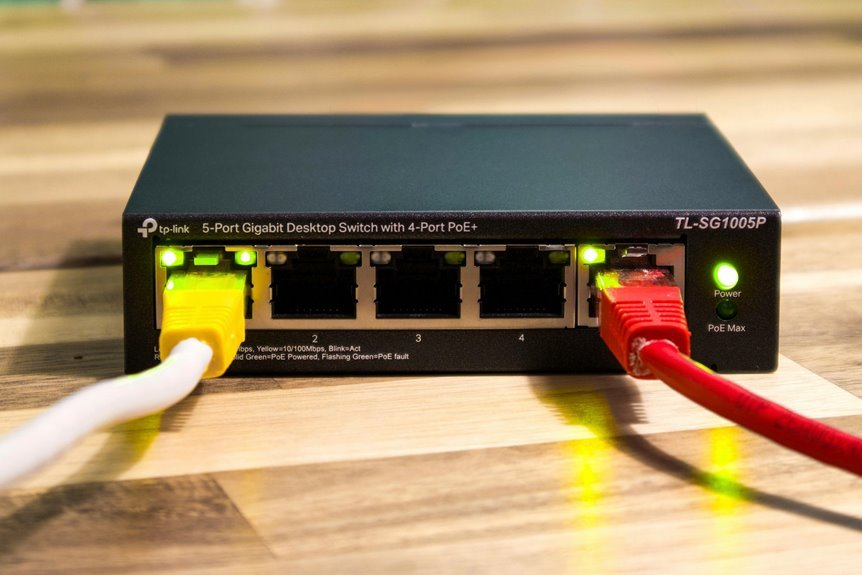
Digital Activity Notes tied to 192.168.0.254 translate edge observations into structured traces. These notes capture traffic patterns, timing, and access events, framing them as bias-free evidence. Alerts derive from patterns seen at this nexus, weighted by provenance and context. The process yields review-ready, governance-aware workflows with clear owners and escalation paths. Yet ambiguities persist—noise, benign fluctuations, and rare anomalies challenge containment timing, inviting a closer, disciplined examination of the data stream.
What Digital Activity Notes Reveal About 192.168.0.254
The record provides quantified traces of traffic, timing, and access patterns, enabling disciplined assessment without bias.
In incident response terms, these observations guide hypothesis formation, filter noise, and support containment decisions while preserving system integrity and user autonomy within a measured, analytical framework.
How Alerts Are Triggered From This IP Nexus
How alerts are triggered from this IP nexus involves translating observed activity into actionable signals. The mechanism analyzes anomalous patterns, port usage, and traffic frequency to generate alert triggers for review. Each signal feeds incident response workflows with context, severity, and provenance. Vigilance ensures rapid containment, while freedom-minded governance preserves transparency, letting operators calibrate thresholds without compromising autonomy or resilience. Reviews remain ongoing and iterative.
Turning Raw Notes Into Actionable Incident Response Steps
Turning raw notes into actionable incident response steps requires a disciplined translation of observed data into structured procedures. The process distills signals from noise, assigns severity, and assigns owners. Clear, repeatable workflows emerge, enabling rapid containment and recovery. Two word discussion ideas guide planning: incident response. Vigilant documentation ensures traceability, accountability, and ongoing improvement within a freedom-oriented, methodical security posture.
Strategies To Reduce Noise And Improve Edge-Network Vigilance
Edge networks generate a high volume of signals, but only a subset constitutes actionable risk; by applying disciplined filtering, correlation, and context-aware baselining, operational teams can distinguish true threats from benign fluctuations.
The edge network requires a systematic vigilance strategy, balancing alert sensitivity with stability, integrating telemetry, and enforcing disciplined playbooks to reduce noise while preserving rapid incident response capabilities.
Conclusion
In sum, digital activity notes from 192.168.0.254 translate disparate signals into disciplined, review-ready alerts with clear provenance and owners. A single data point—spike in DNS requests at 03:14—becomes a sentinel, prompting targeted containment steps rather than blanket disruption. This approach maintains edge-privacy while accelerating incident response through repeatable playbooks. The result: higher governance fidelity, lower noise, and auditable traces that sustain resilience in dynamic network perimeters.